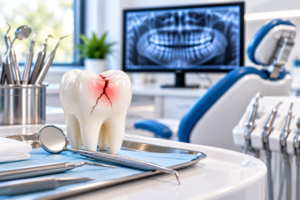

Wisdom Tooth Extraction is a common dental procedure recommended when third molars create discomfort, crowding, or oral health concerns. Wisdom Tooth Extraction helps address problems caused by impacted or damaged wisdom teeth and allows patients to maintain better oral health. Many people experience wisdom tooth issues during their late teens or early adulthood, making it important to understand available treatment options.
Wisdom teeth do not always require removal, but certain situations may make extraction the best choice. Pain, swelling, infection, or difficulty cleaning the area can indicate that professional evaluation is needed.
Understanding the reasons behind wisdom tooth removal, what the procedure involves, and how recovery works can help patients feel more prepared before visiting a dental provider. Patients looking for information about dental services can explore Clovis Family Dentistry to learn more about available treatment options.
Why Do Wisdom Teeth Sometimes Need Removal?
Wisdom teeth are the final set of molars that usually develop between the ages of 17 and 25. While some people have enough space for these teeth to grow properly, others may experience complications due to limited jaw space.
A dental professional evaluates the position and condition of wisdom teeth before recommending removal. Regular dental examinations help identify potential concerns before they lead to more serious problems.
Common Reasons for Wisdom Tooth Extraction
Several factors may contribute to the need for wisdom tooth extraction. Some wisdom teeth grow normally, while others can create challenges that affect surrounding teeth and gums.
Impacted Wisdom Teeth
Impacted wisdom teeth do not fully emerge through the gums. They may grow at different angles and place pressure on nearby teeth.
Impaction can lead to discomfort, swelling, and difficulty maintaining proper oral hygiene around the affected area.
Pain and Discomfort
Wisdom teeth may cause pain as they begin developing or attempting to emerge. Patients may experience pressure, jaw discomfort, or sensitivity near the back of the mouth.
A dental evaluation helps determine whether extraction or another treatment approach is appropriate.
Increased Risk of Infection
Partially erupted wisdom teeth can create spaces where food particles and bacteria collect. These areas may become difficult to clean and increase the chance of gum irritation or infection.
Removing problematic wisdom teeth may help prevent repeated oral health concerns.
How Wisdom Tooth Extraction Is Evaluated
Before recommending extraction, a dentist performs a complete evaluation to understand the condition of the wisdom teeth and surrounding structures.
Dental Examination and Imaging
During the evaluation process, dentists examine the teeth and gums while reviewing dental images. X-rays help identify the position of wisdom teeth and determine whether they are impacted.
This information allows the dental provider to create an appropriate treatment plan based on each patient’s needs.
Discussing Treatment Options
Not every wisdom tooth requires immediate removal. Some patients may only need monitoring if the teeth are healthy and not causing problems.
However, extraction may be recommended when wisdom teeth affect oral health or create ongoing discomfort.
What Happens During Wisdom Tooth Extraction?
Understanding the extraction process can help reduce concerns and allow patients to prepare for treatment. The procedure varies depending on the position of the wisdom teeth and the complexity of removal.
Preparing for the Procedure
Before extraction, patients receive instructions from their dental provider. These instructions may include guidance about eating, medications, and post procedure care.
A dental professional also explains what to expect during the appointment and answers any questions about the treatment.
The Extraction Process
During wisdom tooth extraction, the dentist carefully removes the tooth from the surrounding area. The approach depends on whether the tooth has fully erupted or is impacted beneath the gum tissue.
Some extractions are straightforward, while others may require additional steps to safely remove the tooth.
Patients who want to understand available oral surgery options can explore tooth extraction in Clovis for more information about dental procedures.
Recovery After Wisdom Tooth Extraction
Recovery is an important part of the treatment process. Following aftercare instructions helps support healing and reduces the chances of complications.
Managing Discomfort After Removal
Some swelling and discomfort are common after wisdom tooth extraction. Patients may receive recommendations for managing symptoms during the recovery period.
Following professional guidance regarding rest, diet, and oral care can support a smoother recovery.
Maintaining Oral Hygiene During Recovery
Keeping the mouth clean after extraction is important, but patients should follow specific instructions provided by their dental professional.
Gentle cleaning practices help protect the treatment area while allowing proper healing.
Benefits of Removing Problematic Wisdom Teeth
When wisdom teeth create ongoing concerns, removal can provide several oral health benefits. Extraction may help prevent future complications and protect surrounding teeth.
Preventing Damage to Nearby Teeth
Impacted wisdom teeth can place pressure on neighboring teeth. Over time, this pressure may contribute to discomfort or alignment issues.
Removing problematic wisdom teeth can help maintain healthier conditions within the mouth.
Reducing Future Oral Health Problems
Wisdom teeth that are difficult to clean may increase the risk of cavities and gum problems. Extraction may help reduce these risks when teeth are causing repeated issues.
Understanding Wisdom Teeth Removal in Clovis
Patients considering wisdom teeth removal in Clovis CA should understand that treatment recommendations depend on individual dental conditions. A dental provider evaluates each case carefully before deciding whether extraction is necessary.
When Should You Schedule a Dental Visit?
Patients should consider scheduling a dental appointment if they experience symptoms such as:
• Persistent pain near the back of the mouth
• Swelling around the gums
• Difficulty opening the jaw
• Repeated infections near wisdom teeth
Early evaluation can help identify problems before they become more complicated.
Exploring Additional Dental Services
Dental care often involves more than addressing immediate concerns. Many patients also focus on improving their overall smile appearance and maintaining long term oral health.
In addition to wisdom tooth services, some patients explore cosmetic treatments to improve confidence and smile aesthetics. Options such as teeth whitening in Clovis may help address concerns related to tooth discoloration.
Choosing the Right Dental Provider for Wisdom Tooth Removal
Selecting a dental provider for wisdom tooth extraction is an important decision. Patients should consider experience, available services, and the ability to provide clear guidance throughout treatment.
Importance of Professional Evaluation
Every patient has different dental needs. A thorough evaluation helps determine the safest and most effective approach for wisdom tooth removal.
Professional guidance allows patients to understand their condition and make informed decisions about treatment.
Comfortable and Clear Dental Care
A positive dental experience includes good communication and patient education. Understanding the procedure, recovery process, and expected outcomes can help patients feel more comfortable.
Maintaining Oral Health After Extraction
Wisdom tooth extraction is only one part of maintaining a healthy smile. Regular dental visits, proper hygiene, and preventive care continue to play an important role after treatment.
Patients should continue routine checkups to monitor their overall oral health and address any future concerns.
Conclusion
Wisdom Tooth Extraction can help patients manage problems caused by impacted, painful, or difficult to clean wisdom teeth. Understanding the reasons for removal, treatment process, and recovery steps allows patients to feel more prepared when considering their options.
A dental evaluation is the best way to determine whether wisdom tooth removal is necessary. With professional guidance and proper aftercare, patients can protect their oral health and maintain a comfortable smile.
To learn more about treatment options or schedule a dental consultation, patients can Contact Clovis Family Dentistry for additional information.
Frequently Asked Questions
Q1. What is wisdom tooth extraction?
Wisdom tooth extraction is a dental procedure used to remove one or more third molars when they cause pain, infection, crowding, or other oral health concerns.
Q2. When should wisdom teeth be removed?
Wisdom teeth may need removal when they become impacted, painful, infected, or difficult to clean properly.
Q3. How long does recovery take after wisdom tooth extraction?
Recovery time varies depending on the complexity of the procedure, but many patients begin feeling better within several days while complete healing may take longer.
Q4. Is wisdom tooth removal always necessary?
No, not every wisdom tooth requires removal. A dentist evaluates the position and condition of the teeth before recommending treatment.
Q5. What should I expect after wisdom tooth extraction?
Patients may experience mild swelling and discomfort after extraction. Following aftercare instructions helps support proper healing.