Dental problems do not always happen during regular office hours. A severe toothache can start suddenly, a tooth can break while eating, or an injury can leave you unsure about what to do next. Some dental problems can wait for a regular appointment, while others need prompt attention.
Knowing when to contact an emergency dentist in Clovis can help you get the right care before a dental problem becomes more serious.
What Is a Dental Emergency?
A dental emergency is a problem involving your teeth, gums, or mouth that needs prompt professional evaluation. The level of urgency depends on the symptoms and what caused the problem.
Common situations that may require urgent dental care include:
- Severe or persistent tooth pain
- A broken or cracked tooth
- A knocked-out permanent tooth
- Significant swelling around the gums, tooth, jaw, or face
- A dental infection or abscess
- Uncontrolled bleeding from the mouth
- A tooth that becomes loose after an injury
- Damage to a dental crown, filling, or other restoration
- An injury affecting the teeth or soft tissues of the mouth
Not every dental problem is an emergency. However, severe pain, swelling, infection, or an injury should not be ignored.
When Should You See an Emergency Dentist in Clovis?
One of the clearest signs that you need urgent dental care is severe or ongoing tooth pain. A toothache may be caused by decay, infection, a cracked tooth, damage to a filling, or inflammation inside the tooth. Pain medication may provide temporary relief, but it does not address the underlying cause.
You should also contact a dentist promptly if you develop swelling around a tooth or gum. Swelling can sometimes be a sign of infection and may require treatment.
A knocked-out, broken, or badly damaged tooth should also be evaluated as soon as possible, particularly when the damage happened because of an accident or injury.
Common Dental Emergencies
Severe Toothache
A severe toothache can make it difficult to eat, sleep, or carry out normal activities. The cause may range from a cavity to an infection or damaged tooth.
If the pain is persistent or becoming worse, contact a dentist for an evaluation rather than relying on temporary pain relief.
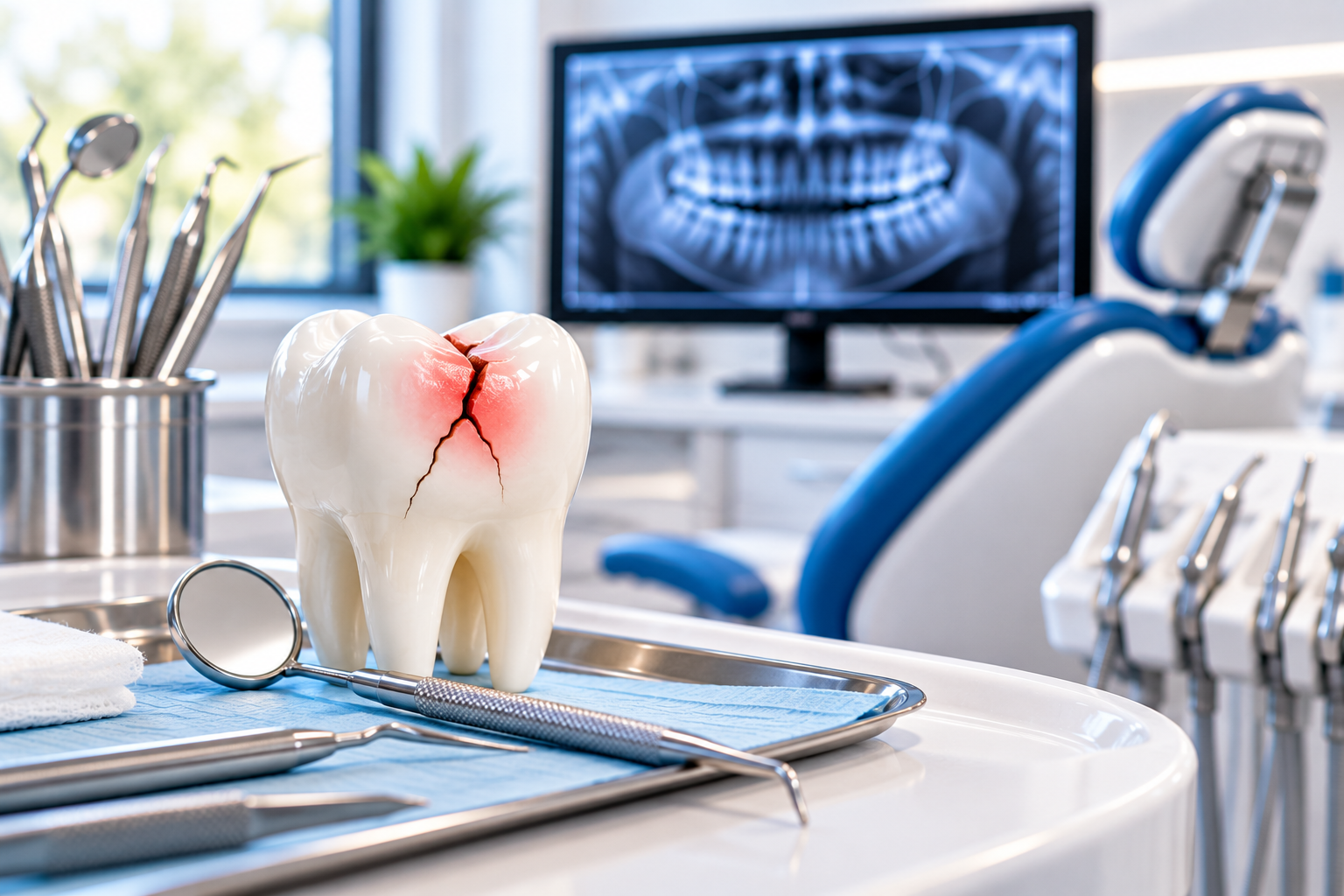
Broken or Cracked Tooth
A tooth may break or crack because of an accident, biting something hard, decay, or normal wear.
If part of a tooth breaks, rinse your mouth gently with water and avoid chewing on the affected side. If you can safely keep the broken piece, bring it with you to your dental appointment.
Knocked-Out Tooth
A knocked-out permanent tooth requires prompt attention.
If this happens, handle the tooth carefully and avoid touching the root. If it is dirty, gently rinse it without scrubbing. Keep the tooth moist and seek dental care as quickly as possible.
Dental Abscess or Infection
A dental infection may cause pain, swelling, tenderness, a bad taste in the mouth, or drainage around a tooth.
An abscess should be evaluated by a dentist. If swelling becomes severe or you have difficulty breathing or swallowing, seek emergency medical attention immediately.
Dental Injury
An accident can damage a tooth even when there is little pain immediately afterward. A tooth may become loose, move out of position, crack, or become sensitive.
If your mouth or teeth have been injured, contacting a dentist for an evaluation can help determine whether treatment is needed.
What Should You Do During a Dental Emergency?
The steps you take before seeing a dentist can depend on the type of emergency.
- Rinse your mouth gently with water.
- Avoid chewing on the affected side.
- Use a cold compress on the outside of your cheek if there is swelling.
- Keep any broken tooth fragments or dental restorations and bring them to your appointment.
- If a permanent tooth has been knocked out, keep it moist and seek dental care promptly.
- Follow the directions on any over-the-counter medication you take and make sure it is appropriate for you.
Do not try to repair a broken tooth yourself or place aspirin directly against your tooth or gums.
Is Facial Swelling a Dental Emergency?
Swelling around a tooth or gum can have several causes. When swelling is accompanied by significant pain, infection, drainage, or facial swelling, prompt dental evaluation is important.
Severe facial or neck swelling can be more serious. If swelling is making it difficult to breathe or swallow, seek emergency medical care immediately.
When Should You Go to the Emergency Room?
Some situations require more than dental treatment.
- Difficulty breathing
- Difficulty swallowing
- Severe facial or neck swelling
- Uncontrolled bleeding
- Loss of consciousness
- A serious head, face, or jaw injury
These symptoms may indicate a medical emergency and should not be managed by waiting for a routine dental appointment.
Can Dental Emergencies Be Prevented?
Not every dental emergency can be prevented, but regular dental care can reduce the risk of some problems becoming urgent.
- Brush your teeth twice a day.
- Clean between your teeth regularly.
- Schedule routine dental examinations.
- Have cavities and damaged teeth treated before they become more serious.
- Avoid chewing on ice and other very hard objects.
- Wear a properly fitted mouthguard during contact sports.
- Follow your dentist’s recommendations for ongoing dental care.
Addressing smaller dental problems early can sometimes prevent them from turning into more painful or complicated situations.
How to Find an Emergency Dentist in Clovis
When searching for an emergency dentist in Clovis, look for a dental office that can evaluate urgent dental problems and clearly explain how emergency appointments are handled.
When you call, describe exactly what is happening. Tell the dental team if you have severe pain, swelling, bleeding, a broken tooth, a knocked-out tooth, or an injury. This information can help them understand the urgency of your situation.
You may also want to ask:
- How quickly can I be evaluated?
- Does the office treat dental emergencies?
- What should I do before my appointment?
- Should I bring a broken tooth or dental restoration with me?
- What should I do if my symptoms become worse?
Emergency Dental Care in Clovis
A dental emergency can be stressful, especially when you are unsure whether the problem can wait. Severe pain, significant swelling, dental infections, knocked-out teeth, broken teeth, and injuries are situations that should receive prompt attention.
If you are experiencing a dental problem and are unsure how urgent it is, contact a dental office in Clovis and explain your symptoms. The dental team can help determine the appropriate next step.
For symptoms such as difficulty breathing or swallowing, severe facial or neck swelling, uncontrolled bleeding, or a serious injury, seek immediate medical attention.
Frequently Asked Questions
What is considered a dental emergency?
Severe tooth pain, significant swelling, dental infections, knocked-out teeth, serious tooth damage, uncontrolled bleeding, and certain dental injuries may require urgent dental care.
Should I see an emergency dentist for a severe toothache?
If your toothache is severe, persistent, or interfering with eating or sleeping, contact a dentist for an evaluation. The cause of the pain needs to be identified and treated.
What should I do if I knock out a permanent tooth?
Handle the tooth carefully without touching the root, gently rinse it if needed, keep it moist, and seek dental care as quickly as possible.
Is a broken tooth always a dental emergency?
Not every small chip requires emergency treatment. However, a significant break, severe pain, bleeding, or an injury involving the tooth should be evaluated promptly.
Can facial swelling be caused by a dental problem?
Yes. Swelling can sometimes be associated with a dental infection. Significant or spreading facial swelling requires prompt attention, and difficulty breathing or swallowing requires immediate medical care.
What should I do if I cannot reach a dentist?
If you have difficulty breathing or swallowing, severe facial or neck swelling, uncontrolled bleeding, or a serious injury, seek emergency medical attention. For other dental problems, contact a dental office as soon as possible.
Conclusion
Knowing when to seek urgent dental care can make a difference when a toothache, injury, infection, or swelling occurs unexpectedly. Some problems can wait for a regular appointment, while others need prompt evaluation.
If you need an emergency dentist in Clovis, describe your symptoms when contacting a dental office so the team can help determine the appropriate next step. And if your symptoms involve difficulty breathing or swallowing, severe swelling, uncontrolled bleeding, or a serious injury, seek immediate medical attention.