

Tooth pain can start as a small irritation and quickly become a serious problem that affects eating, sleeping, and daily comfort. Understanding tooth pain causes helps patients identify whether the discomfort is minor or a sign of a dental emergency that requires immediate care.
Many people search for tooth pain causes when pain becomes persistent or sharp without warning. While some cases are linked to sensitivity or temporary irritation, others may involve infection, decay, or structural damage that needs urgent attention.
At Clovis Family Dentistry, emergency dental evaluations are used to determine the severity of tooth pain and whether immediate treatment is required. Early diagnosis can prevent complications and protect long term oral health. You can learn more about care options here: Clovis Family Dentistry
Common tooth pain causes you should understand
Tooth pain is not a condition itself but a symptom of an underlying issue. Identifying the exact tooth pain causes is important for deciding how urgently treatment is needed.
Common causes include:
- Tooth decay reaching deeper layers of the tooth
- Gum disease causing inflammation and infection
- Cracked or fractured teeth exposing nerves
- Dental abscess or bacterial infection
- Enamel erosion from grinding or acidic foods
- Pressure from impacted teeth or misalignment
Each of these conditions affects oral structures differently. Some develop slowly over time, while others can cause sudden and severe pain that requires urgent attention.
When toothache becomes a dental emergency
Not all toothaches are emergencies, but certain dental emergency symptoms indicate a serious problem that should not be ignored.
Seek urgent care if you experience:
- Severe throbbing or constant pain
- Swelling in the face, jaw, or gums
- Fever along with dental discomfort
- Pain spreading to the ear, neck, or head
- Difficulty chewing, swallowing, or opening the mouth
- Pus or visible signs of infection
These symptoms often indicate infection or advanced damage. Delaying treatment may allow the condition to worsen and spread.
Cracked tooth symptoms and hidden damage
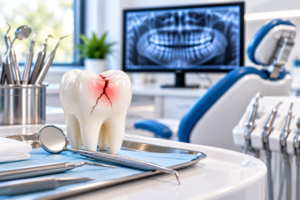
A cracked tooth is one of the most overlooked tooth pain causes because it is not always visible. Even small fractures can expose the inner part of the tooth, leading to sharp or unpredictable pain.
Common cracked tooth symptoms include:
- Sharp pain when biting or chewing
- Sensitivity to hot and cold foods
- Pain that comes and goes without warning
- Discomfort when releasing bite pressure
- No visible cavity but ongoing soreness
Cracks can develop from chewing hard foods, teeth grinding, or trauma. If untreated, they may deepen and allow bacteria to enter, leading to infection or tooth loss. For advanced treatment options, visit Oral Surgery Services.
Tooth infections and abscess related pain
One of the most serious tooth pain causes is infection inside the tooth or gums. A dental abscess forms when bacteria accumulate at the root, creating pressure and inflammation.
Signs of infection include:
- Constant throbbing pain
- Swelling in the cheek, jaw, or gums
- Bad taste or odor in the mouth
- Fever or fatigue
- Sensitivity when touching the tooth
Infections do not heal on their own. Without treatment, they can spread to surrounding tissues and may lead to serious health risks.
Tooth sensitivity as an early warning sign
Not all tooth pain causes begin with severe symptoms. Some start as mild sensitivity that gradually worsens. This is often an early warning of enamel erosion or gum recession.
Common triggers include:
- Cold drinks or ice
- Hot beverages like coffee or tea
- Sweet or acidic foods
- Brushing or flossing pressure
Although sensitivity may seem minor, it can indicate early decay or weakening enamel. Early treatment helps prevent progression into more serious conditions.
When to see dentist for tooth pain
Knowing when to see dentist for tooth pain is essential for preventing complications. Pain lasting more than a couple of days should always be evaluated.
You should schedule a dental visit if:
- Pain persists beyond 48 hours
- Over the counter medication does not help
- Swelling or bleeding is present
- Chewing becomes painful
- Visible damage or discoloration appears
Early evaluation helps identify whether the problem is reversible or requires urgent treatment.
Temporary toothache relief options
While professional care is necessary for most tooth pain causes, temporary toothache relief methods can help manage discomfort before treatment.
Helpful options include:
- Warm salt water rinses
- Cold compress on the cheek
- Over the counter pain medication
- Avoiding hot, cold, or sugary foods
- Keeping the mouth clean with gentle brushing
These methods only provide temporary comfort and do not treat the root cause of pain.
Why early treatment matters
Delaying treatment for tooth pain causes can lead to more serious dental issues. What starts as mild decay or sensitivity can progress into infection or nerve damage.
Early treatment helps:
- Prevent infection spread
- Preserve natural teeth
- Avoid complex procedures
- Reduce treatment costs
- Improve recovery outcomes
Dental professionals use exams and imaging to identify the exact cause and recommend appropriate care.
Treatment options for severe tooth pain
Treatment depends on the underlying cause. Once diagnosed, several procedures may be recommended.
Common treatments include:
- Fillings for cavities
- Root canal therapy for infected teeth
- Crowns for cracked or weakened teeth
- Gum treatment for infection
- Tooth extraction in severe cases
If a tooth cannot be saved, replacement options such as dental implants may be considered. Learn more here: Dental Implants Services.
Preventing future tooth pain emergencies
Many tooth pain causes can be prevented with proper oral care and regular dental visits. Prevention is key to avoiding emergencies.
Helpful habits include:
- Brushing twice daily
- Flossing once a day
- Reducing sugary foods and drinks
- Wearing a mouthguard if grinding teeth
- Scheduling routine dental checkups
Preventive care helps detect early issues before they become painful emergencies.
Understanding urgency in dental symptoms
Tooth pain should never be ignored because it often signals an underlying condition. Recognizing dental emergency symptoms early can prevent complications and protect oral health.
If symptoms worsen quickly or include swelling, fever, or severe pain, immediate dental care is necessary. Delaying treatment can lead to more complex procedures and increased discomfort. For urgent appointments, contact here: Contact Clovis Family Dentistry
Final thoughts on tooth pain causes
Tooth pain is a warning sign that something is wrong. Understanding tooth pain causes helps patients identify when discomfort is minor and when it requires urgent attention.
Whether the issue is sensitivity, decay, crack, or infection, early diagnosis is the key to preventing complications. Prompt care can protect teeth, reduce pain, and avoid dental emergencies.
Frequently Asked Questions
Q1. What are the most common tooth pain causes?
Common causes include tooth decay, gum disease, cracked teeth, infections, enamel erosion, and impacted teeth.
Q2. When is tooth pain a dental emergency?
It becomes an emergency when pain is severe, persistent, or accompanied by swelling, fever, pus, or difficulty swallowing.
Q3. Can a cracked tooth heal on its own?
No, a cracked tooth cannot heal naturally and requires dental treatment to prevent further damage.
Q4. What helps with toothache relief at home?
Salt water rinses, cold compresses, and over the counter pain medication can provide temporary relief.
Q5. When should I see a dentist for tooth pain?
You should see a dentist if pain lasts more than two days, worsens, or is accompanied by swelling, bleeding, or visible damage.