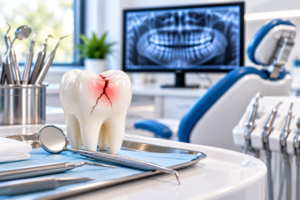

A Clovis Dental Office can be an important part of maintaining a healthy, functional, and confident smile over the years. A Clovis Dental Office does more than provide treatment when a dental problem develops. A Clovis Dental Office can also help patients establish preventive routines, monitor changes in their oral health, and plan treatments that support their long term goals.
When considering long term smile goals, it is useful to think beyond a single appointment or procedure. Dental health can change over time due to age, oral hygiene, diet, tooth wear, previous dental treatment, and other factors. Working with a consistent dental provider can make it easier to monitor these changes and adjust care when necessary.
For patients looking for ongoing dental care, Clovis Family Dentistry provides information about dental services and oral health considerations for individuals and families in Clovis.
What Are Long Term Smile Goals?
Long term smile goals can mean different things to different patients. For some people, the main goal is maintaining healthy teeth and gums. Others may want to restore damaged teeth, replace missing teeth, improve tooth alignment, or address cosmetic concerns.
Common long term goals may include:
- Maintaining healthy teeth and gums
- Preventing tooth decay
- Preserving natural teeth
- Restoring damaged teeth
- Replacing missing teeth
- Improving tooth alignment
- Addressing tooth discoloration
- Improving the overall appearance of the smile
- Maintaining previous dental work
Defining these goals can help your dentist understand what you want to achieve and identify appropriate options.
Start With Preventive Dental Care
Preventive care is one of the most important parts of a long term dental plan. Regular examinations and professional cleanings allow dental professionals to monitor your teeth and gums and identify potential concerns.
A routine examination may help identify early signs of tooth decay, gum problems, tooth wear, or changes around existing restorations.
Preventive care may also involve discussing daily oral hygiene. Your dentist can provide recommendations based on your individual needs, including brushing techniques, cleaning between teeth, and other habits that may support oral health.
Regular preventive visits can help you stay informed about changes in your mouth rather than waiting until discomfort develops.
Understand the Role of Oral Surgery
Some dental concerns require treatment beyond routine preventive or restorative care. Oral surgery may be recommended when a dental problem cannot be appropriately managed through simpler procedures.
Wisdom teeth are one example. If they are impacted, causing discomfort, affecting surrounding teeth, or creating other concerns, removal may be recommended after an appropriate evaluation.
Patients considering treatment can learn more about wisdom teeth removal in Clovis CA and the factors that may influence whether removal is appropriate.
The decision to undergo oral surgery should be based on an individual examination and discussion with a qualified dental professional.
Create a Personalized Dental Plan
Long term dental care should take individual circumstances into account. A person with a history of cavities may have different needs from someone who has primarily experienced gum concerns or tooth wear.
A dentist in Clovis can evaluate factors such as:
- Current oral health
- Previous dental treatment
- Tooth and gum condition
- Oral hygiene habits
- Existing restorations
- Bite and alignment
- Cosmetic concerns
- Future treatment needs
Based on this information, your dental professional can discuss potential priorities and explain which treatments may be appropriate.
A personalized approach also allows you to address urgent concerns while keeping longer term goals in mind.
Address Dental Problems Before They Affect Your Goals
Some dental problems may interfere with long term smile goals if they are left untreated.
For example, untreated decay can progress and potentially affect deeper parts of a tooth. Similarly, gum problems can affect the tissues supporting the teeth.
Addressing problems at an appropriate stage can help protect overall oral health and may make future treatment more manageable.
This does not mean every dental issue requires immediate extensive treatment. Your dentist can evaluate the condition and explain whether monitoring, preventive care, or treatment is appropriate.
Include Cosmetic Goals in Your Dental Plan
Some patients have long term goals that involve the appearance of their smile as well as oral health.
Cosmetic dentistry can address concerns such as tooth color, shape, spacing, or overall smile appearance. Available procedures vary depending on the dental practice and the patient’s needs.
Before beginning cosmetic treatment, it is important to consider the condition of the teeth and gums. Existing oral health problems may need to be addressed first.
Patients interested in improving the appearance of their smile can explore smile makeover cosmetic dentistry to understand the types of cosmetic concerns that may be addressed.
Maintain Existing Dental Work
Long term smile goals may also involve protecting dental work that has already been completed.
Crowns, fillings, bridges, veneers, and other restorations require appropriate care. Although dental restorations are designed to function effectively, they can still experience wear or damage over time.
Regular dental examinations allow your dentist to monitor existing restorations and identify changes that may require attention.
Maintaining good oral hygiene around restorations is also important. Your dentist can recommend cleaning techniques based on the type and location of the dental work.
Think About Changes Over Time
Your dental needs can change as you age. A treatment plan that works well today may need to be adjusted in the future.
Factors that can influence changing dental needs include:
- Natural tooth wear
- Changes in gum health
- Previous restorations
- Changes in oral hygiene
- Tooth loss
- Bite changes
- Lifestyle habits
- New dental conditions
Regular appointments provide opportunities to review these changes and update your dental care plan.
Use Consistent Dental Care
Consistency can make a significant difference in long term oral health. Visiting different providers for every concern may make it more difficult to maintain continuity in your dental history.
A consistent Clovis dental office can monitor your oral health over time and keep track of previous treatments, recurring concerns, and changes that may require attention.
This ongoing relationship can also make it easier to discuss long term goals. For example, if you eventually want to address cosmetic concerns, your dentist can consider your existing oral health and previous treatment when discussing available options.
How Does an Associate Dental Professional Fit Into Care?
The term associate dental may refer to a dentist who works within a dental practice alongside other dental professionals. Depending on the structure of a practice, patients may interact with different members of the dental team during examinations or treatment.
What matters is that relevant information about your care is communicated appropriately between members of the team.
Patients can ask how treatment information is documented and how continuity of care is maintained when more than one dental professional is involved.
Make Oral Hygiene Part of Your Long Term Plan
Professional dental treatment is only one part of maintaining a healthy smile. Daily habits remain important between appointments.
A long term oral hygiene routine may include:
- Brushing twice a day
- Cleaning between the teeth
- Limiting frequent sugary foods and drinks
- Drinking water regularly
- Avoiding tobacco products
- Wearing appropriate protection during contact activities
- Attending recommended dental examinations
- Reporting unusual dental symptoms
Small habits performed consistently can support oral health over time.
Final Thoughts
A Clovis Dental Office can support long term smile goals by combining preventive care, regular monitoring, restorative treatment, oral health guidance, and cosmetic considerations when appropriate.
Long term dental health is not based on one procedure. It develops through consistent care, timely treatment, good daily habits, and regular communication with your dental provider.
Whether your priority is preserving natural teeth, addressing dental problems, maintaining existing restorations, or improving your smile’s appearance, a structured approach can help you understand your options and plan care according to your needs.
If you have questions about your long term dental goals or would like to discuss your oral health needs, Contact us to learn more about the next steps.
Frequently Asked Questions
Q1. How can a Clovis dental office help with long term smile goals?
A Clovis dental office can support long term goals through preventive examinations, professional cleanings, restorative treatment, oral health guidance, and discussions about cosmetic or other dental needs.
Q2. How often should I visit a dentist in Clovis?
The recommended frequency depends on your oral health, dental history, risk factors, and current treatment needs. Your dentist can recommend an appointment schedule based on your individual circumstances.
Q3. Can cosmetic dentistry be part of a long term dental plan?
Yes. Cosmetic dentistry may be considered when patients have appearance related goals. However, maintaining healthy teeth and gums is generally an important foundation before certain cosmetic treatments are considered.
Q4. Why is preventive care important for long term dental health?
Preventive care allows dental professionals to monitor the teeth and gums, identify potential concerns, and provide guidance that may help maintain oral health over time.
Q5. What should I do if my dental needs change?
Discuss changes with your dentist during an appointment. New symptoms, tooth damage, changes in your bite, or cosmetic concerns may require an updated evaluation and adjustments to your dental care plan.